


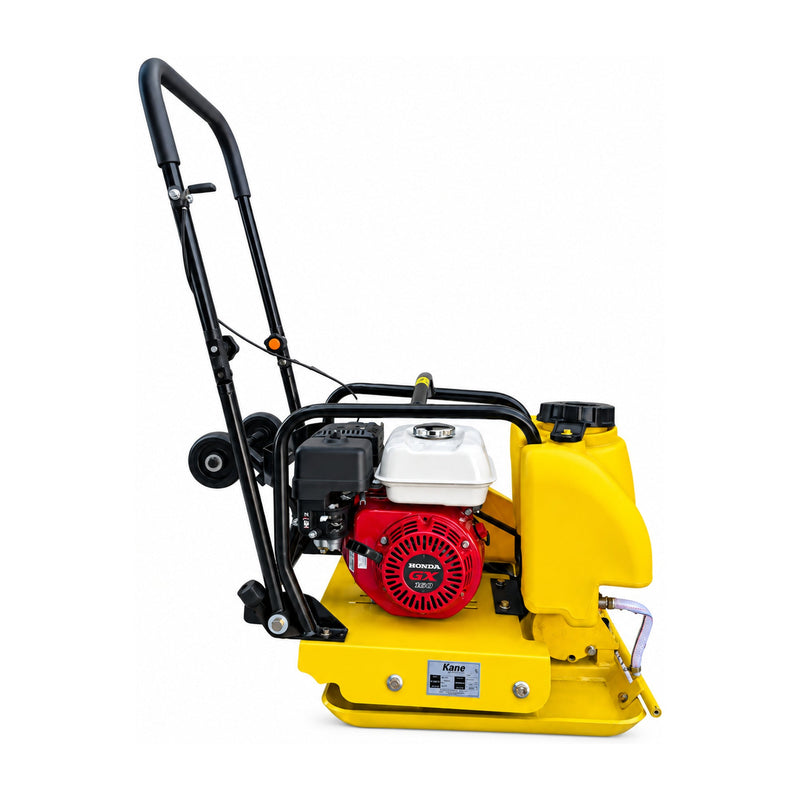
FOR PAVING & ASPHALT WORK
15kN Compactor + Water Tank
A practical option when controlled water application is useful for the surface you are compacting.
15kN forceHonda GX160Water tank
$999.00
View machine →
Kane Machinery sells two petrol plate compactors in Australia, both powered by a genuine Honda GX160 engine: the KAU120 with up to 18kN of compaction force for soil, gravel and paving bases, and the KAU90 with 15kN of force and a water tank for asphalt work. Both are delivered Australia-wide from Sydney, NSW.
| Model | Force | Engine | Water tank | Best for |
|---|---|---|---|---|
| KAU120 plate compactor | 18kN | Honda GX160 | No | Gravel, crushed rock, driveways, paving bases |
| KAU90 plate compactor with water tank | 15kN | Honda GX160 | Yes | Asphalt, paving, landscaping, dust control |
Material: plate compactors work best on granular material such as gravel, crushed rock and sand. For clay and other cohesive soils, a tamping rammer is usually more effective.
Job type: choose the higher-force KAU120 for deeper base layers on driveways and paths. Choose the KAU90 with water tank when working with asphalt, because water stops the hot mix sticking to the plate and reduces dust.
Access: check the width of your work area. For narrow trenches and footings, a rammer fits where a plate cannot.
Still deciding? Read our buying guide: Plate Compactor vs Tamping Rammer: Which One Do You Need?
A plate compactor compacts granular base material, such as crushed rock under pavers, paths and driveways, so the finished surface stays level and does not sink.
A water tank wets the base plate so asphalt does not stick to it, and helps control dust on dry material.
Use a plate compactor for open, flat areas of granular material. Use a tamping rammer for trenches, footings, backfill and clay soils.
Yes. Freight is calculated at checkout from your delivery postcode. Warehouse pickup in Sydney is also available by appointment after your order is confirmed.
Always follow the supplied manual and confirm the machine suits your ground conditions before work.
KANE MACHINERY · PREPARE THE BASE
Honda-powered plate compactors for paving bases, pathways, landscaping and driveway preparation. Compare the machine and features that fit your next job.
Start your next project on a firm base.
FOR PAVING & ASPHALT WORK
A practical option when controlled water application is useful for the surface you are compacting.
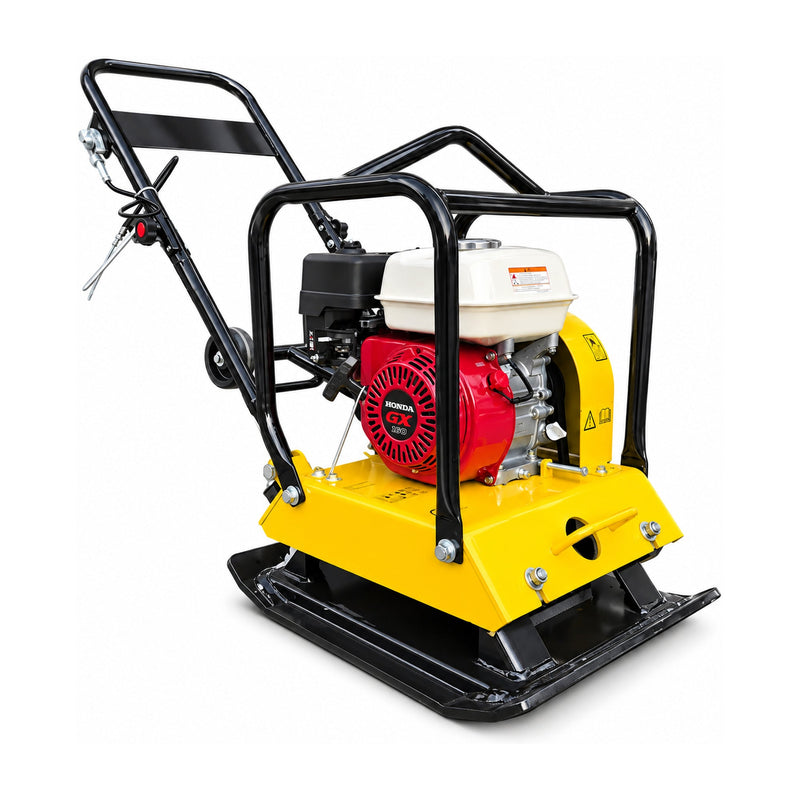
FOR BASE PREPARATION
Prepare suitable soil and granular bases for paths, paving, landscaping and driveway projects.
COMPARE THE JOB
| Machine | Typical work | Key difference |
|---|---|---|
| 15kN Compactor + Water Tank | Paving & asphalt work where water application is useful | Honda GX160 · Integrated water tank |
| 18kN Plate Compactor | Granular base preparation for paving, paths & landscaping | Honda GX160 · 540 × 450mm plate |
Choose by material, plate dimensions and site access as well as compaction force. For confined trench work, compare a tamping rammer.
Tell us about your material, property or next job. Our Australian-based team can help you compare the Kane range.
Kane Machinery sells two petrol plate compactors in Australia, both powered by a genuine Honda GX160 engine: the KAU120 with up to 18kN of compaction force for soil, gravel and paving bases, and the KAU90 with 15kN of force and a water tank for asphalt work. Both are delivered Australia-wide from Sydney, NSW.
| Model | Force | Engine | Water tank | Best for |
|---|---|---|---|---|
| KAU120 plate compactor | 18kN | Honda GX160 | No | Gravel, crushed rock, driveways, paving bases |
| KAU90 plate compactor with water tank | 15kN | Honda GX160 | Yes | Asphalt, paving, landscaping, dust control |
Material: plate compactors work best on granular material such as gravel, crushed rock and sand. For clay and other cohesive soils, a tamping rammer is usually more effective.
Job type: choose the higher-force KAU120 for deeper base layers on driveways and paths. Choose the KAU90 with water tank when working with asphalt, because water stops the hot mix sticking to the plate and reduces dust.
Access: check the width of your work area. For narrow trenches and footings, a rammer fits where a plate cannot.
Still deciding? Read our buying guide: Plate Compactor vs Tamping Rammer: Which One Do You Need?
A plate compactor compacts granular base material, such as crushed rock under pavers, paths and driveways, so the finished surface stays level and does not sink.
A water tank wets the base plate so asphalt does not stick to it, and helps control dust on dry material.
Use a plate compactor for open, flat areas of granular material. Use a tamping rammer for trenches, footings, backfill and clay soils.
Yes. Freight is calculated at checkout from your delivery postcode. Warehouse pickup in Sydney is also available by appointment after your order is confirmed.
Always follow the supplied manual and confirm the machine suits your ground conditions before work.